Poverty affects billions of people globally and is one of the most
urgent challenges of our time. It goes beyond the lack of income and
resources for a sustainable livelihood, affecting access to basic
services, social protections, and participation in decision-making
processes. Eradicating poverty is not just about providing material
resources, but also about enabling individuals and communities to
overcome systemic barriers to opportunity. Reducing poverty requires
coordinated global actions, such as improving access to education,
healthcare, and social protections while promoting policies that
foster job creation, income equity, and economic growth that
benefits everyone.
Goal 2
End Hunger, Achieve Food Security and Improved Nutrition
Hunger affects more than 800 million people worldwide, with many
suffering from malnutrition that leads to stunted growth and
weakened immune systems. Food insecurity can be caused by conflict,
natural disasters, and economic shocks, disproportionately affecting
the most vulnerable populations, including women and children.
Achieving this goal requires ensuring that people have access to
enough nutritious food year-round. This involves promoting
sustainable agriculture, investing in resilient food production
systems, supporting smallholder farmers, and improving market access
to make sure food is distributed fairly and efficiently, even in
times of crisis.
Goal 3
Ensure Healthy Lives and Promote Well-Being for All
Ensuring healthy lives and promoting well-being is crucial for
building prosperous societies. Despite progress, millions of people
still die each year from preventable diseases, lack of access to
essential healthcare services, or complications related to pregnancy
and childbirth. This goal seeks to address these issues by improving
maternal and child health, reducing the prevalence of communicable
and non-communicable diseases, and ensuring that all people have
access to affordable and quality healthcare. Mental health also
plays a key role in achieving this goal, as it impacts individuals’
ability to live productive lives. Addressing the root causes of
health disparities, from access to clean water to universal
healthcare coverage, is essential to achieving this goal.
Goal 4
Ensure Inclusive and Equitable Quality Education
Education is a powerful tool for reducing inequality and ensuring
sustainable development. Goal 4 focuses on providing inclusive,
equitable, and quality education for all, starting from early
childhood education through to higher education. However,
disparities in access to education still exist, with many children,
especially girls, in rural areas or conflict zones being denied the
opportunity to learn. Ensuring access to quality education also
means improving infrastructure, ensuring teachers are well-trained,
and integrating technology to provide lifelong learning
opportunities for all. Additionally, education should promote global
citizenship, sustainable development, gender equality, and human
rights, equipping future generations to solve the challenges the
world faces today.
Goal 5
Achieve Gender Equality and Empower All Women and Girls
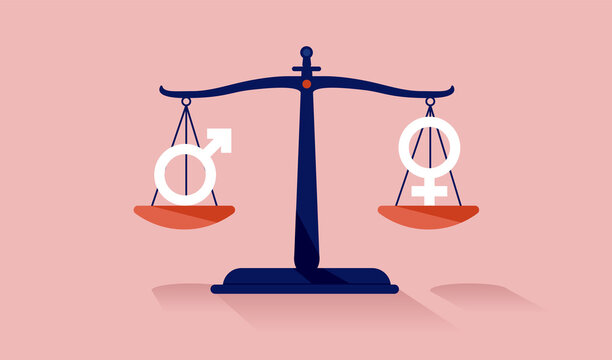
Gender equality is a fundamental human right and key to achieving a
fairer, more peaceful world. Women and girls face systemic barriers,
such as violence, discrimination, and lack of access to education,
healthcare, and job opportunities. Achieving gender equality
involves ensuring equal participation and leadership roles for women
in all sectors of society, eliminating gender-based violence,
ensuring access to reproductive health services, and addressing the
unpaid care burden disproportionately shouldered by women. By
promoting women’s empowerment and protecting the rights of girls,
societies can become more inclusive, economically prosperous, and
sustainable.
Goal 6
Ensure Availability and Sustainable Management of Water and
Sanitation for All
Water is essential for survival, and access to clean water and
sanitation is a human right. Yet, billions of people still lack safe
drinking water, and many more live without proper sanitation
facilities. Goal 6 focuses on ensuring that all people have access
to safe and affordable drinking water, improving water quality by
reducing pollution, and managing water resources sustainably to
prevent scarcity. This goal also emphasizes the need to protect and
restore water-related ecosystems such as rivers and lakes, as well
as promoting community involvement in water management. Sustainable
water management is critical for maintaining health, economic
growth, and environmental sustainability.
How You Can Help
Everyone can contribute to the fight against climate change. Here are
a few ways you can make a difference: